



In CTA’s Tech Trends session they said we’ve moved on from the era of ‘digital transformation’ and now we are in the era of ‘digital coexistence’. Well stated. We certainly are well immersed in the digital world, as are the solutions around us. What does this mean for automated driving and safety? When you consider the lens of digital coexistence how does that change your perspective on making use of technology? How do we find the right balance of usefulness and invasiveness? And does that equation change if there is a case for safety? Should it?
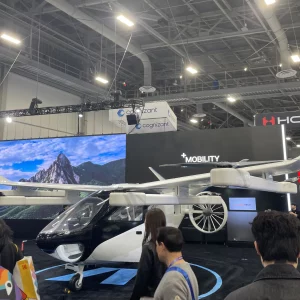
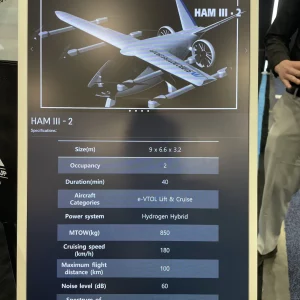
Sambo Mobility HAM III – 2 – Personal mobility drone
Sambo Mobility HAM III – 2 Specs
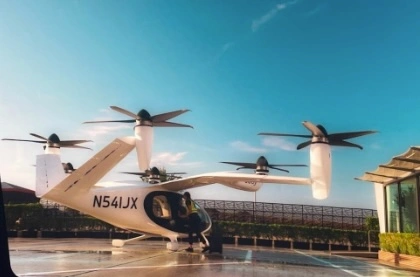
Personal mobility drones – There were lots of these this year, a big uptick since 2019 when they made a huge splash. They were in the West Hall mixed in with automotive which is how I found Sambo Mobility. Joby was featured in Delta’s keynote, the Joby CEO was there. Delta highlighted the future possibility of using a Joby to get you to the airport on time.
Joby featured in the Delta Keynote
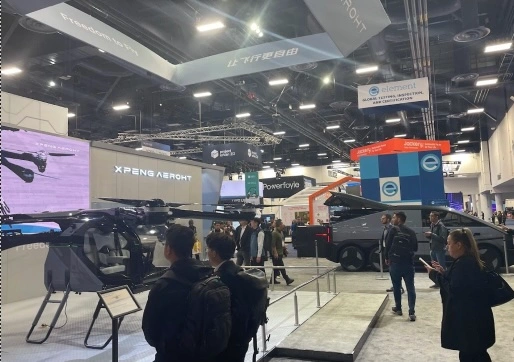
Xpeng’s AEROHT, a drone paired with its own delivery van, were featured in the opening of CES at CTA’s Tech Trends talk. I’d like to hear from OEMs their honest opinion of when they think personal mobility drones will start to become competition. Surely they will be like robotaxis, too expensive to own for most, and offered as a service, an obvious competitor of the Waymos, Ubers, or taxi business models, but do the OEMs foresee a time when they do compete for OEM spend?
XPENG’s “Land Aircraft Carrier” personal mobility drone with van called AEROHT
External Audio was demonstrated in multiple booths and has turned up in our Call for Papers submissions as well. The demos I saw allowed the driver to speak to people outside of the car, and to play music outside of the car. The inverse application I saw was audio sensing outside of the car for roadway noise to enable exterior noise cancellation for people inside the car.
Video of external audio by Aptiv
This Summary will cover OEMs, thermal, radar, LiDAR, compute, and autonomous driving from these companies:
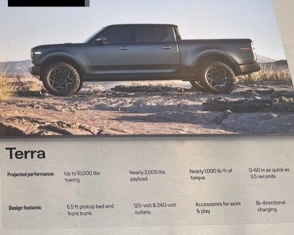
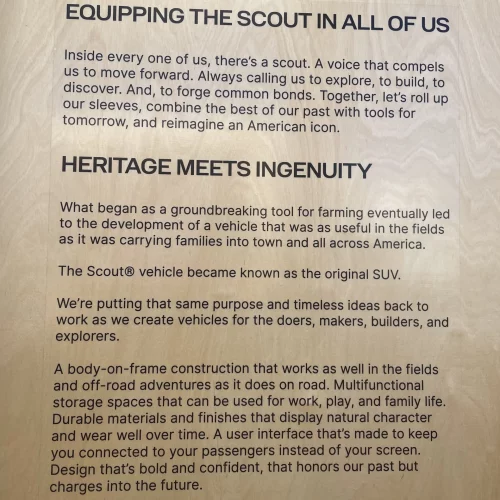
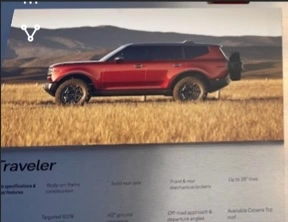
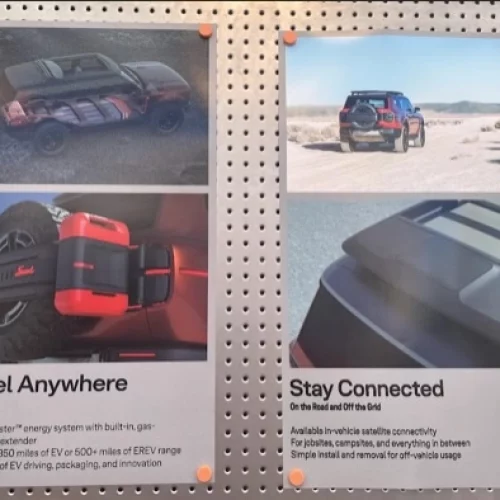
Scout Motors – Mostly photos of the new sporty OEM
Toyota – Their press conference – Woven City updates
NVIDIA – Their Keynote – new products for 2025, mega chips
ZEEKR – Their Press Conference
Adasky – Thermal Blending
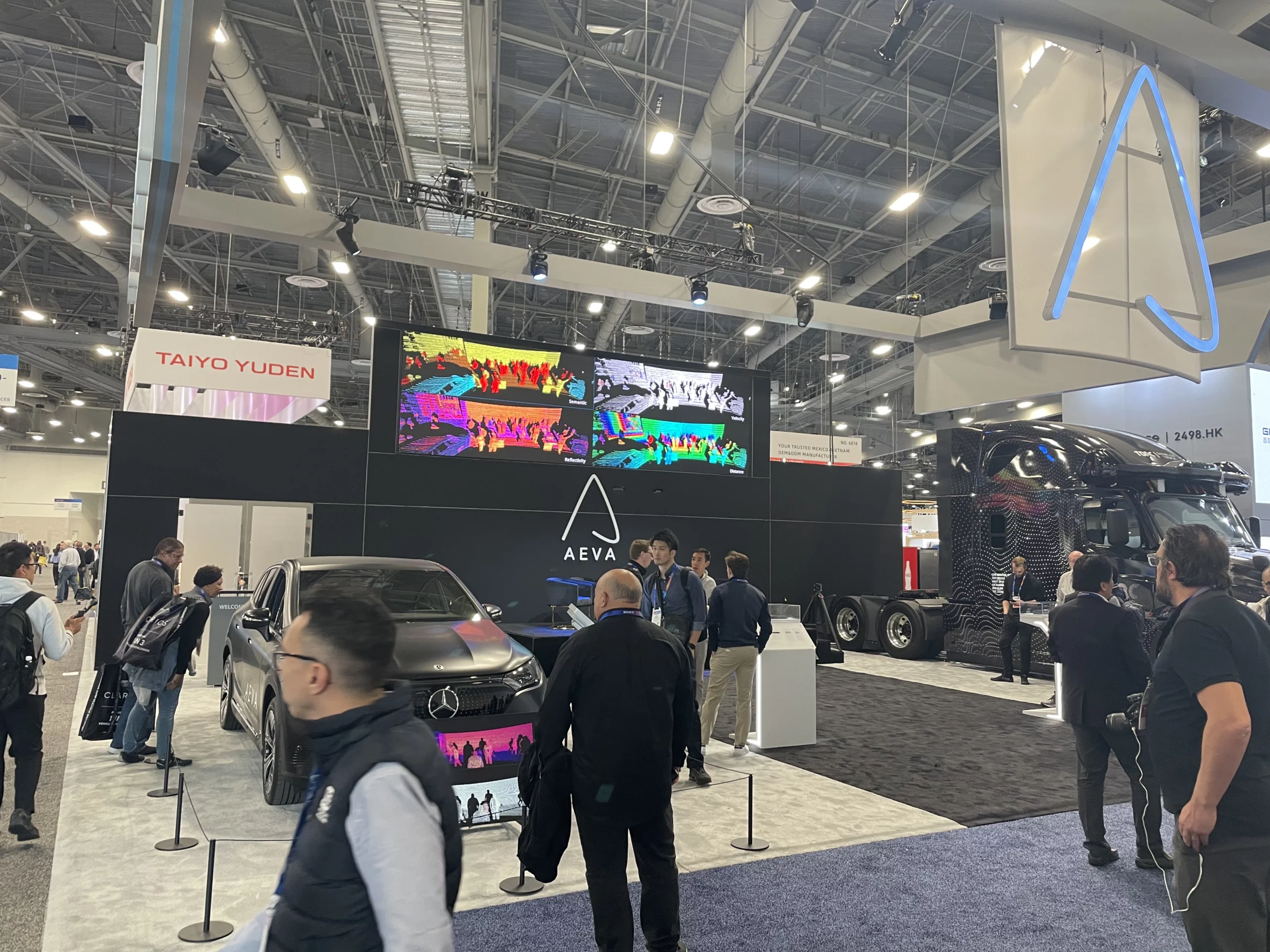
AEVA – LiDAR
Aptiv – Autonomous Driving and short range nano radar
Scout Terra
Scout Brand Identity
Scout Traveler
Scout Benefits
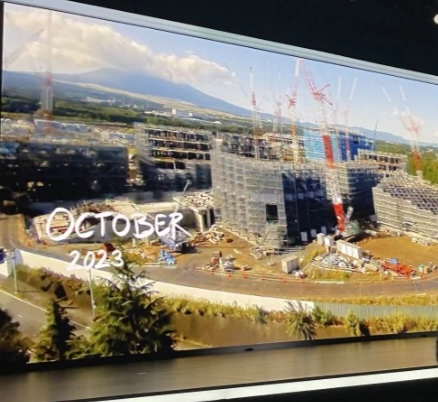
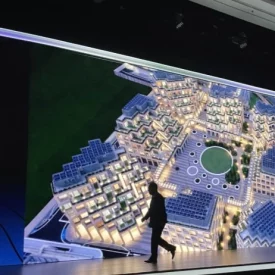
This year residents, 2000 people and pets, will start moving into Woven City, which is LEED platinum certified (High efficiency green buildings). They showed drones as personal security for joggers, retail, offices, living space, and even Joby drone vehicles for easier access to Tokyo. The name Woven pays homage to their beginning as a textile company with loom innovations 100 years ago. They are hosting a start-up pitch competition for those who want to contribute to Woven City. This supports their value of Woven City as ‘Invention by multiplication’, to accelerate the pace of development. Toyota showed a rocket with the title ‘Interstellar Technologies’ on it with no explanation. Curious to see what comes of that.
Woven City Progress
Woven City concept image
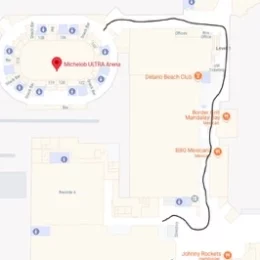
On Monday I left the media room and headed down find food before going to the NVIDIA keynote. It was about 5:15 when I got to the bottom of the escalators, near the food court, and saw the end of line for NVIDIA. So I got in line and decided food could wait. For scale, this was the line, it took me an hour and 15 minutes to get into the arena. I noticed that Gary Shapiro. CEO of CTA, the organization that runs CES was helping with line management. Such a high profile team member doing such a simple job, and made himself very accessible to the attendees as well.
Lorem ipsum dolor sit amet, consectetur adipiscing elit. Ut elit tellus, luctus nec ullamcorper mattis, pulvinar dapibus leo.
Line for NVIDIA Keynote
NVIDIA is known for putting on a great show, and Jensen is known for having a personality on stage. He came out this year asking if we liked his jacket, to a roaring endorsement. Gary Shapiro made opening remarks and then an introduction for Jensen. But just when we thought he was going to emerge from inside of the stage they Rick rolled us, which I thought was hilarious. They didn’t disappoint this year. Just the feeling alone of walking into the arena, shining in green amped up the giant crowd for the experience.
Video of walking into NVIDIA Keynote
Jensen said our course for AI is as follows:
Perception AI -> Generative AI -> Agentic AI -> Physical AI
The announced RTX Blackwell with 4000AI TOPS, 380 RT TFLOPS, 125 Shader TFLOPS, 92 Billion Transistors, G7 Memory, 1.8 TB/s Memory Bandwidth, and an AI management processor.
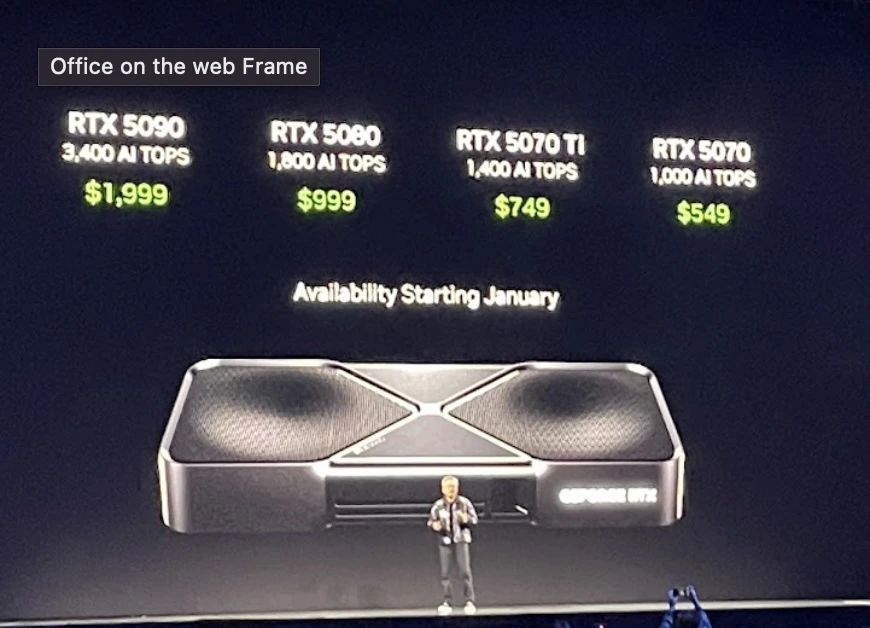
The crowd was very enthusiastic about the pricing of the different models ,available as of last month:
NVIDIA’s RTX Line
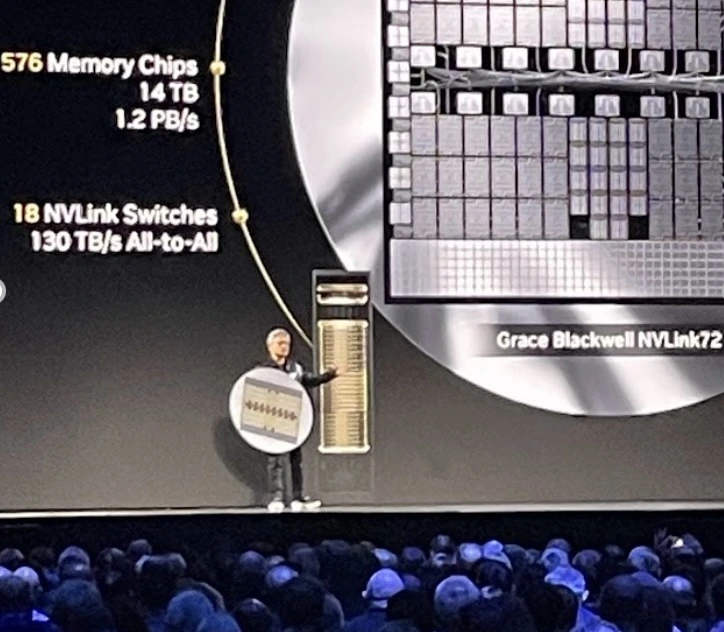
He also talked about meeting large commercial scale processing demands. Grace Blackwell NVLink72, the largest single chip ever made, is comprised of:
NVIDIA’s Grace Blackwell NVLink72
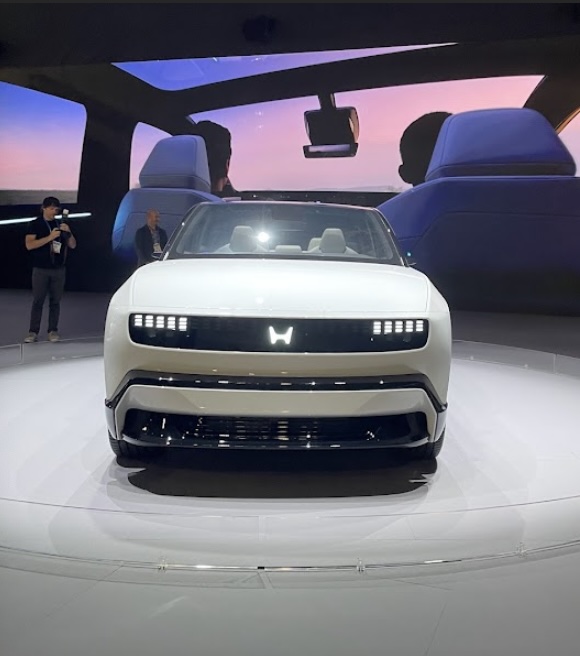
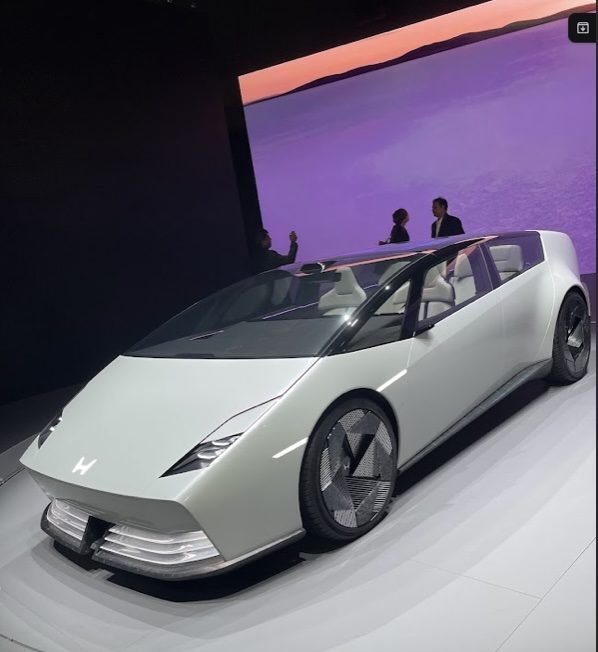
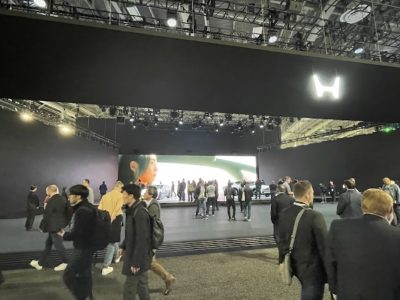
This is all of the content from the Honda stand. I see a lot of stands and this was one of the biggest open mostly black spaces I’ve seen. I didn’t find information about these models but they are cool!
Honda’s Stand
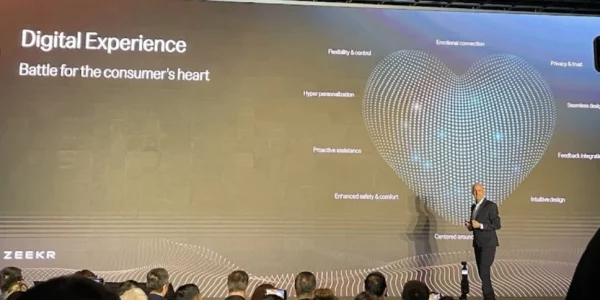
Zeekr values that benefit customers
Zeekr’s press conference was in a smaller sized room and it was packed. They can use the same platform for a small car to a big truck and have connections with Volvo, Polestar, Waymo, and Smart. They claim to have the fastest charging battery, and their 7X is the best selling car in China. They said things should go from software defined to customer defined.
Zeekr has locations in Phoenix and Gothenburg in addition to the their Chinese offices. They launched in 2021 and in 2024 SEA was in mass production, they say SEA stands for Shared, Electrified, AI Empowered. Their urban navigation pilot was released in China in 2024 as well. Zeekr has 418k+ deliveries as of CES. In their van they offer 9 different seating modes and no pillar in the middle.
The offer door to door comprehensive urban intelligent driving including ramps, tunnels, country roads, electronic tolls, residential, etc. They have a self developed driving domain controller platform that features the NVIDIA DRIVE AGX Thor, first among OEMs to do so. This gives twice as much deep learning power and GPU general compute power. They talked about their believe in building a community rather than just customers, something that resonates with the AutoSens team of course as we value our AutoSens Community of engineers!
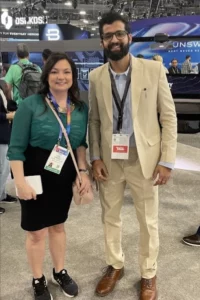
Sara and Unmesh at the Stand
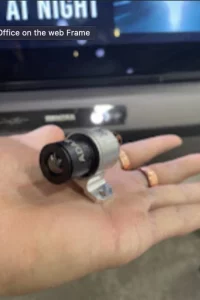
Small size if camera
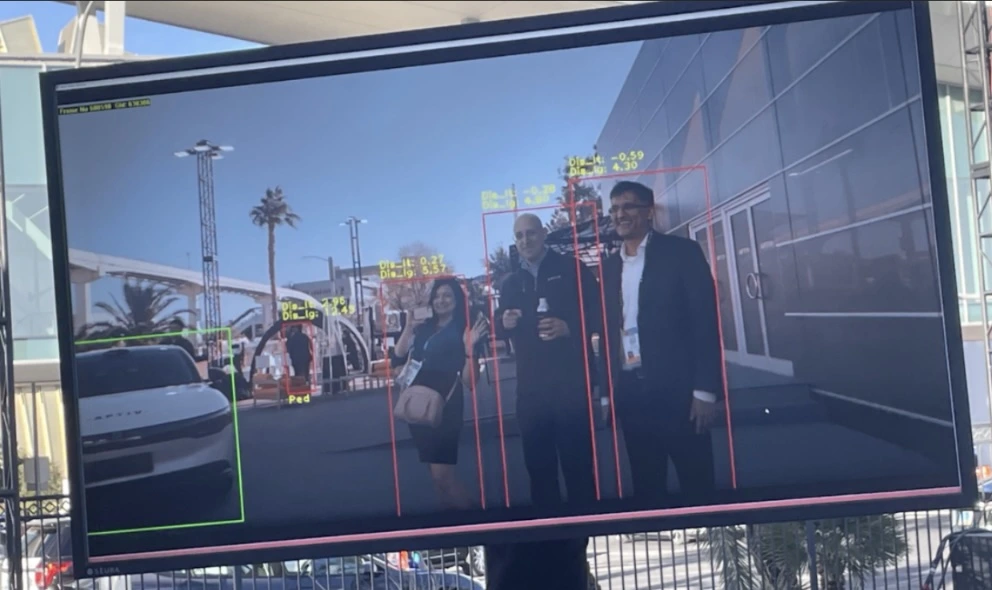
Unmesh Gosavi from Adasky took me through their demo this year which was on their partner’s stand, Gentex. They showed a shutterless camera with a very small form factor, where the advantage of shutterless is essentially a system without the interruption in the frames because of a need to recalibrate every few minutes. Adasky demonstrated use cases of glare coming out of a tunnel, large animals at night, cyclists, fog, and of course AEB for pedestrians. Adasky brand themselves as A to Z, they build the whole solution around the thermal core, the HW, detection algorithms, FW, SW, AI elements, etc.
They showed the blended view which combines a standard CMOS and thermal images laid on top of each other and demonstrated as the rear view mirror display. Of course the CMOS gives scene context to the thermal detection so when you blend the image you get a view that makes more sense to the driver than the thermal alone.
Some notable use cases where thermal performs well for rear camera are when you have a big SUV’s headlights blinding your camera, at night when there is not other illumination, and of course of you’re reversing at night. He also pointed out the rear windshields are sometimes small and lower than is particularly useful, and that thermal can also address the same value proposition as LiDAR in some cases.
If you’re not following thermal, the big buzz in the industry right now is NHTSA’s FMVSS 127, which requires OEMs to have an Automatic Emergency Braking (AEB) system by 2029. The car must stop automatically from 62mph to up to 90mph if colliding with another vehicle and from 45mph if with a pedestrian. As of mid-January 2025 the Alliance for Automotive Innovation (AAI), a group of OEMs, are filing a lawsuit against NHTSA in an effort to block this AEB rule. What I found ‘funny’ about this is that AAI suggests that NHTSA should instead adopt the standard they are following in Europe. I think when comparing EuroNCAP and NHTSA, you’ll find that we have less regulation for automotive here in the US, so suggesting we start adopting European regulations instead, comes with a lot of additional baggage. If they are cherry picking this particular case as one that should change according with Europe, that seems like it would require a much heftier justification. It sounds like the thermal companies are offering a solution to combat the argument that the regulation is too challenging to meet.
Aeva booth with Torc semi cab
I found Dr. Jim Schloss, at the Aeva stand to harass with my many questions. Torc had a semi cab in the Aeva booth.
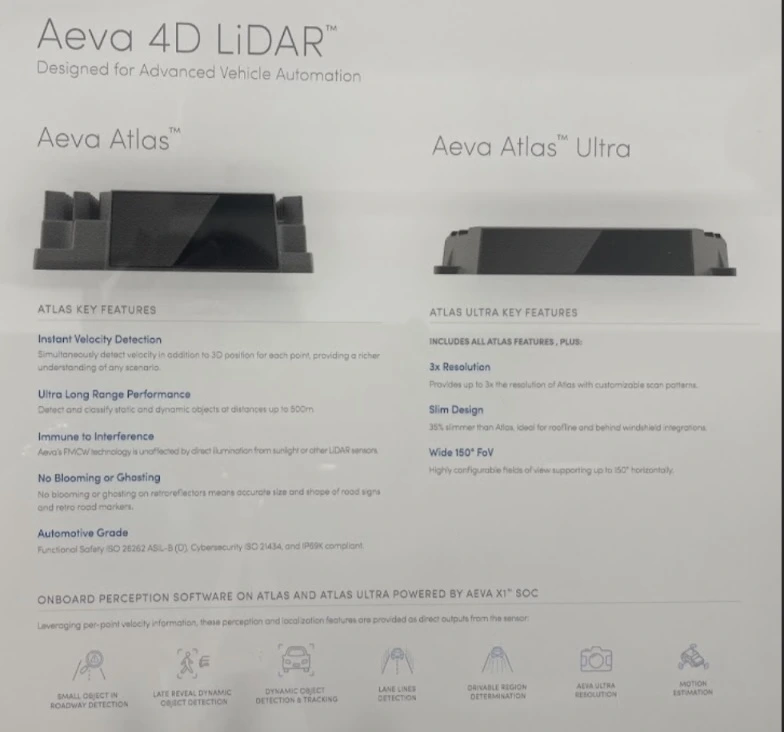
Aeva 4D LiDAR, Atlas and Atas Ultra product info
Aeva says their approach has improved Signal to Noise Ratio, and optical power advantages. They use continuous wave lidar, which means it has a continuous optical beam and they run at ~1300nm.
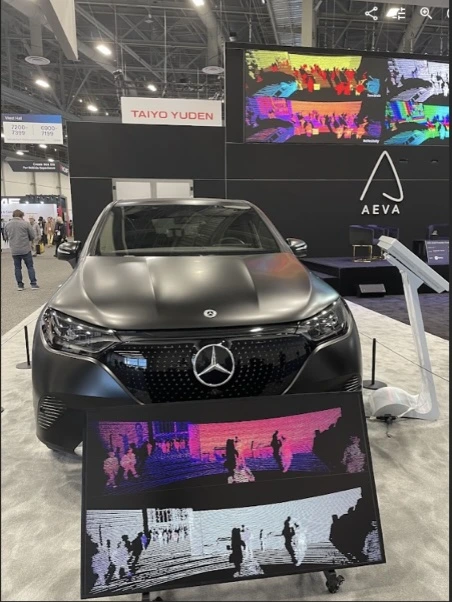
AEVA Booth and Visualizer
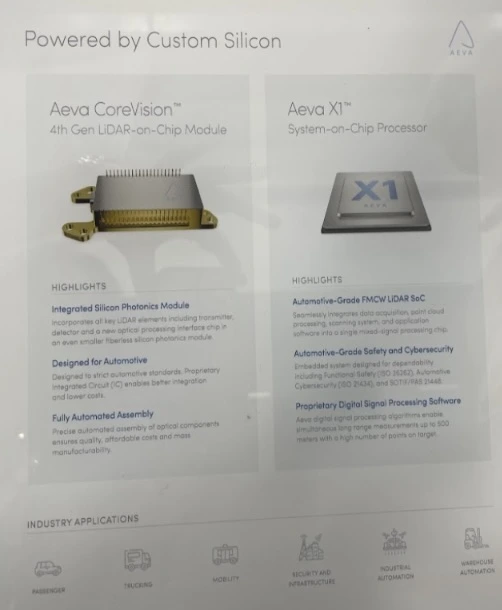
AEVA LiDAR product info
I spent about 3 hours seeing every single demo at Aptiv, far too much for this piece, but a full report on them will be coming. I was delighted to get to interview their CTO, Benjamin Lyon, on stage last year for AutoSens and InCabin in Barcelona and he was there in Vegas as well, showing me some of the demos.
Benjamin and Javed Khan, President of Software and Advanced Safety and User Experience, will be together on stage at AutoSens USA this June! Take a look at all confirmed speakers here.
Sara, Benjamin, and Javed, excited about AutoSens in Detroit this year!
Aptiv’s Driving demo was the most impressive driving demo I have experienced. I have been in countless driving demos since starting with an analyst firm in 2018, as well as lots of Waymo rides. I’ve never had an issue in a Waymo, but the Aptiv vehicle was more impressive because it was operating at higher speeds, although important to point the Aptiv vehicle had a well experienced safety driver. The Aptiv system uses 1 camera and 4 corner radar and 1 long range radar.
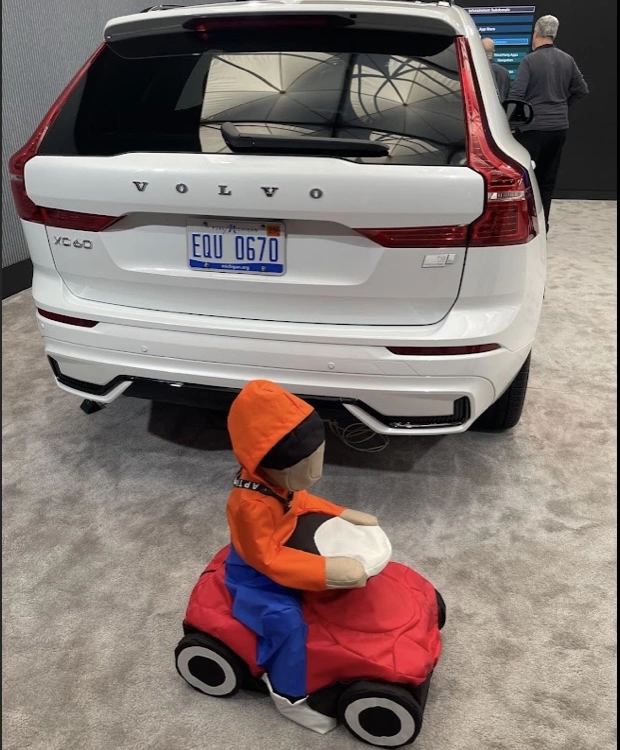
Aptiv’s rear nano radar demo
Aptiv showed an integrated nano radar sensor designed for short range perception in the immediate view of the car, they demonstrated a child riding a mini car at the rear of the car. They’ve cleverly integrated the antenna into the housing to reduce the size of the overall radar package. Of course, unlike the camera, it will perform when the camera lens is dirty, or when it’s dark. This replaces the ultrasonics, in fact the ultrasonic spots you see on the car are actually little magnets. I honestly haven’t thought about saving money on ultrasonics, but Benjamin raised some good points, that it’s not reliable enough to cover these dead zones for safety cases, but from a cost standpoint a car with 12 ultrasonic sensors also has to have waterproof sealing, and wiring and wiring harness for all 12 sensors.
Which leads me to a trend that I think is coming along with growth in-cabin innovation – rise in demand for space that consumers don’t see in the car. All of these sensors have processors, wiring harnesses, and the sensing modules themselves that all take up space. In our large American cars this is probably less of an issue, but in cars globally, space is going to become a bigger challenge and I would bet those who can save space will provide a benefit for OEMs.
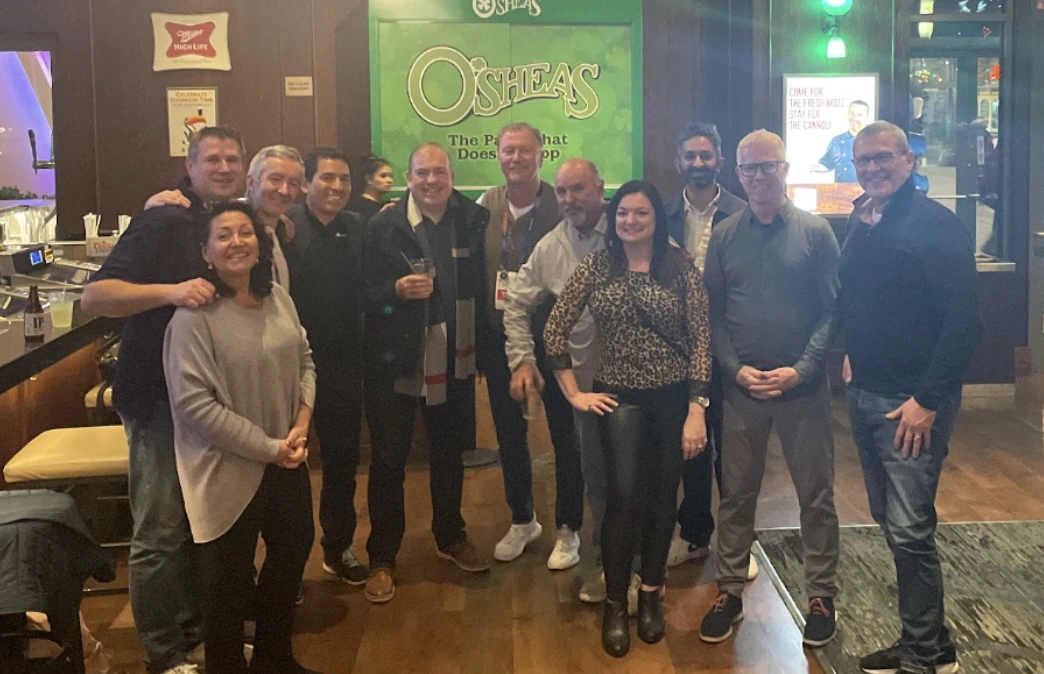
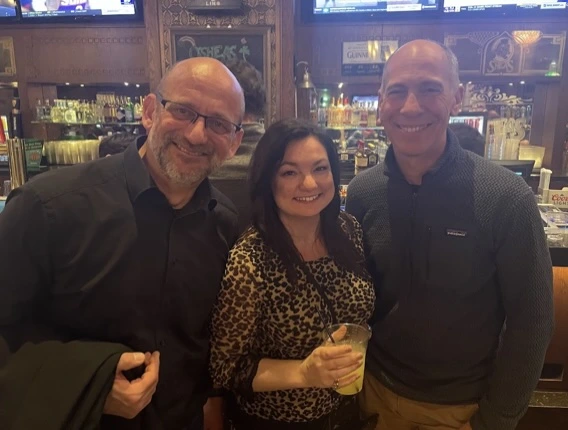
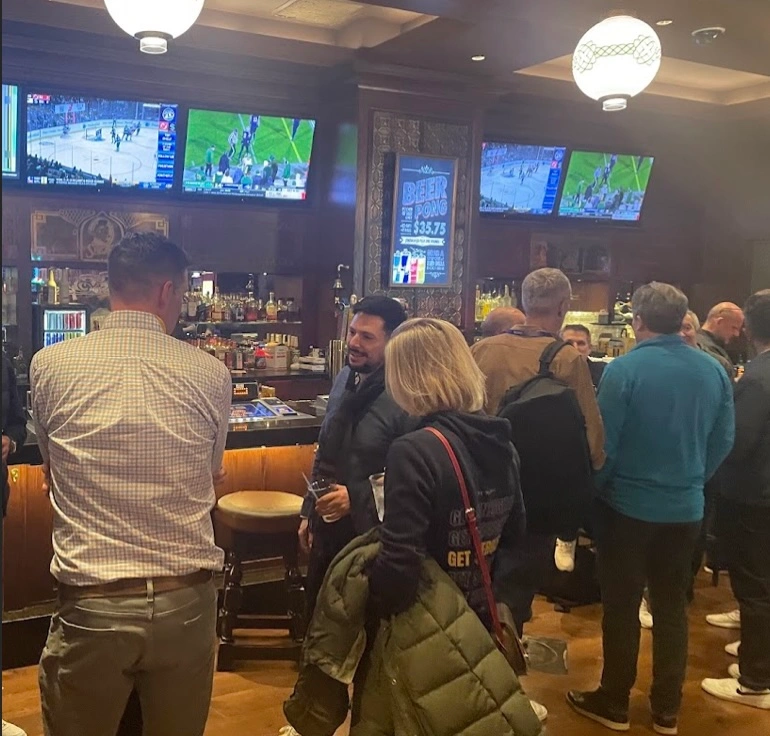
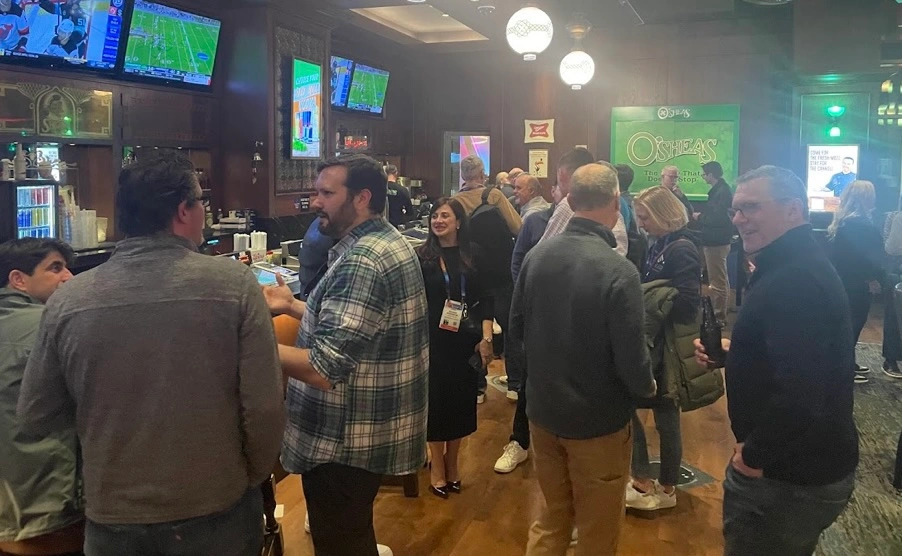
On Monday night after the press conferences people from AutoSens and InCabin met up for some drinks. We had a super fun time, there were new people and regulars. We will organize one next year again, it was a great way to relax before the big start to CES. I didn’t have photos taken until halfway through the night so we’re missing some wonderful friends, here are the pictures I did manage.
It was a very busy CES, but I learned a lot, and saw a lot of inspiring content. It will be interesting to see what materializes into valuable features for automated vehicles, and which sensors will be adopted. Radar seems to be in high demand, and there seemed to be an uptick in LiDAR companies and conversations. In the next few months we should see the next steps for the case against the AEB requirements become clear. There is a lot to keep up with this year. Engineers from OEMs, T1s, and Suppliers have been meeting at AutoSens every year since 2016. We’ll be in:
If you’re interested in speaking in Barcelona, the Call for Papers is open until June, get your submission in early!
Apply here: https://auto-sens.com/speaking/
See you in Detroit!
With a pass to AutoSens USA, you’ll also get full access to our co-located sister event, InCabin. See the key topics for InCabin here >>


Join 9,987 engineers and specialists receiving the latest updates and discussion on ADAS and AV technology.
The state-of-play in today’s ADAS market
With exclusive editorials from Transport Canada and SAE; the ADAS Guide is free resource for our community. It gives a detailed overview of features in today’s road-going vehicles, categorized by OEM, alongside expert analysis.